dog travel · travel bag · dog carrier
Best Dog Travel Bag: How to Pick One Your Dog Won't Hate
Struggling to find the best dog travel bag? Here is how to choose size, ventilation, and comfort so your dog actually enjoys car rides and airport trips.
▶ Watch Kayna explain it in about a minute — or read on. Watch on YouTube
Video transcript
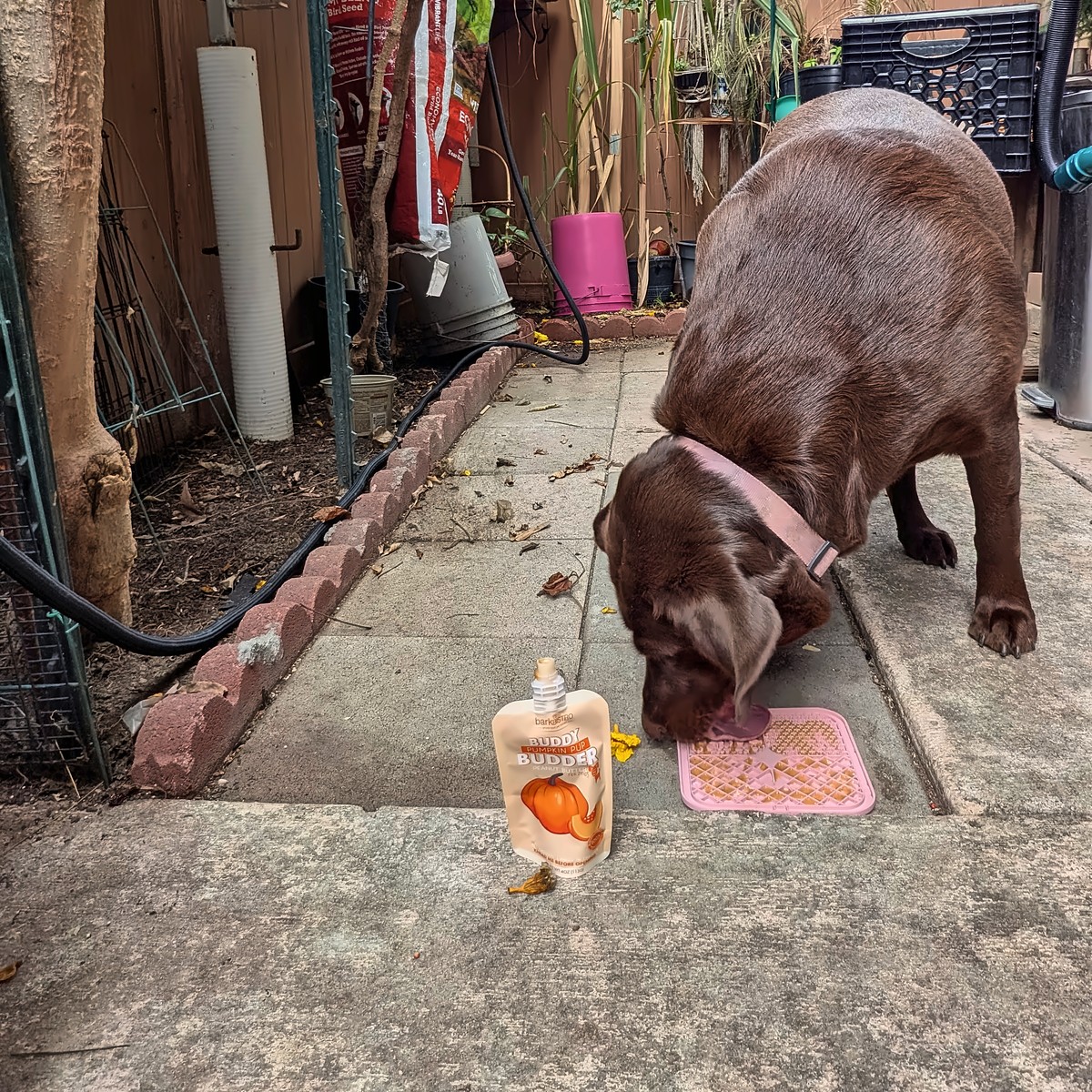
A travel bag is not your dog's carrier. I'm Kayna from Pawdy. I’ll show you what a dog travel bag actually carries, plus the easy packing trick that keeps trips calmer. A dog travel bag is for your dog's stuff. Think bowl, leash, treats, meds, poop bags, and a towel. If your dog rides inside something, that is a carrier or crate. Different job, different features. Pack the bag the same way every time. Your humans grab one bag, and nothing important gets left behind. Here’s the trick: keep a small zip pouch inside for the must-haves. Leash, waste bags, treats, done. Treats help a lot on travel days, especially when you want calm waiting and easy breaks. I’d stash something handy like Pawdy’s peanut butter squeeze pack in the bag, then head to pawdyshops.com for more trip basics. See you on the road.
Finding the best dog travel bag is about finding the right balance of safety, comfort, and practicality for your specific dog. It is not just about fitting through the airline door or under the car seat; it is about ensuring your dog feels secure enough to relax during the journey. A well-chosen bag can turn a stressful commute into a calm routine, while a poorly fitted one can create anxiety that lasts long after the trip ends.

Why "One Size Fits All" Bags Fail
Many owners assume that if the bag fits the dog, it is fine. However, fit is more complex than just length and width. You need to consider how your dog moves. Does your dog lie down flat? Do they need to stand up and turn around? If your dog is a breeder or a large breed, a standard under-seat carrier might be too cramped, leading to frustration and barking. Conversely, if the bag is too big, your dog may feel insecure and slide around, which is dangerous in a car or on a plane.
The best dog travel bag allows your dog to stand, turn around, and lie down comfortably. This is the industry standard for comfort and is often required by airlines for under-seat carriers. If your dog cannot do all three, the bag is likely the wrong size.
Ventilation and Visibility
A dog’s primary sense of security in a new space often comes from seeing out. A bag with only one small mesh window can make a dog feel trapped. Look for a bag with multiple mesh panels or a large, clear window. This reduces anxiety by allowing your dog to see their surroundings and hear you, rather than feeling isolated in a dark box.
Additionally, ventilation is critical. Dogs regulate their body temperature by panting. A bag with poor airflow can become a heat trap, especially in a car parked in the sun or during a long flight. Ensure the mesh is sturdy enough to withstand chewing but open enough for air to circulate freely.
Safety Features: The Non-Negotiables
Safety is the most important feature of any dog travel bag. The bag must have secure handles that can support your dog’s full weight. If you are lifting the bag into an overhead bin or up onto a seat, the handles must be strong and comfortable for your wrists.
Check the zippers. A zipper should be smooth and hard to jam, but also secure enough that a determined dog cannot chew through it or get their paw stuck in the mechanism. Some bags have dual zippers or locking mechanisms for this reason. Also, look for a bag with a solid bottom. If the bottom is soft or collapsible, your dog’s spine can sag, which is uncomfortable and potentially harmful over long periods.
Ease of Cleaning and Maintenance
Let’s be honest: accidents happen. Even the cleanest dog can have a hairball, a spill, or an anxiety-related accident during travel. The best dog travel bag is one that is easy to clean. Look for removable, machine-washable liners. If the bag itself is made of a wipeable material, that is a huge plus. A bag that is difficult to clean will likely end up smelling bad or harboring bacteria, which is unhygienic and unpleasant for both you and your dog.
Introducing the New Bag to Your Dog
Do not wait until the day of the trip to introduce the new bag. This is a common mistake that leads to stressed dogs. Start by placing the bag in your living room with the door open. Let your dog explore it at their own pace. Place treats inside to create a positive association. Once your dog is comfortable entering and exiting freely, start closing the door for short periods while you are nearby. Gradually increase the time your dog spends in the closed bag, always rewarding calm behavior.
When you are ready to test travel, start with short car rides around the neighborhood. Keep them brief and positive. Your dog needs to learn that the bag is a safe place, not a prison. If your dog shows signs of stress, such as excessive drooling or panting, go back to a previous step and try again later. Patience is key.
Choosing the Right Material
Different materials serve different purposes. Nylon is lightweight and durable, making it good for frequent travelers. Canvas is sturdier and often more breathable, but heavier. Leather looks stylish but is heavy and hard to clean. For most dogs, a lightweight nylon or canvas bag with a solid base is the best choice. Avoid materials that are too thick or heavy, as this adds to the weight you have to carry and can make the bag harder to maneuver in tight spaces like airplane aisles.
When to Consider a Different Type of Carrier
Not every dog fits in a soft-sided bag. If your dog is large, has joint issues, or needs more support, a hard-sided carrier might be a better option. Hard-sided carriers provide more structure and protection, which can be beneficial for anxious dogs or those with physical limitations. They are also easier to clean and often have better ventilation. However, they are heavier and less flexible, making them harder to fit under an airplane seat. Check airline requirements carefully if you are flying, as some have strict size and type requirements for hard-sided carriers.
Frequently asked questions
How do I know if the bag is the right size?
The best way to measure is to have your dog stand up in the bag. They should be able to stand, turn around, and lie down comfortably. If they cannot do all three, the bag is too small. If they slide around freely, it might be too big.
Can I use any bag for airplane travel?
No, airlines have specific size and type requirements. Always check with your airline before purchasing a bag for air travel. Some airlines require soft-sided bags that fit under the seat, while others may allow hard-sided carriers in the overhead bin or cargo hold.
How do I keep my dog calm in the bag?
Introduce the bag gradually before the trip. Use treats and praise to create a positive association. Start with short sessions and gradually increase the time. Keep the environment calm and quiet during travel. A familiar item, like a favorite toy or blanket, can also help.
What if my dog chews the bag?
If your dog is a heavy chewer, look for a bag with reinforced zippers and sturdy mesh. Some bags have chew-resistant materials. However, no bag is completely chew-proof. If your dog is a severe chewer, you may need to consider a hard-sided carrier or consult with a professional about behavior modification before travel.
Shop this article
Replies (0)
No replies yet — start the conversation.
Keep reading

airtag dog collar · 6 min read
Best AirTag Dog Collar: What Actually Matters
Looking for the best AirTag dog collar? Here’s what really matters: secure fit, comfort, visibility, and realistic expectations about what AirTag can and can’t do for dogs.

dog thanksgiving · 4 min read
Dog Thanksgiving Dinner: What's Safe and What's a No-Go
Wondering about dog Thanksgiving dinner safety? Here’s exactly what’s safe to share, what to keep on the table, and how to keep your pup calm during the feast.

dog health · 7 min read
My Dog Keeps Throwing Up: What to Do First
If your dog keeps throwing up, start by watching for red flags, resting the stomach, and calling your vet when it’s more than a one-off. Here’s a calm, practical guide to what helps and what needs a vet.