dog health · vomiting · vet · orange county
My Dog Keeps Throwing Up: What to Do First
If your dog keeps throwing up, start by watching for red flags, resting the stomach, and calling your vet when it’s more than a one-off. Here’s a calm, practical guide to what helps and what needs a vet.
▶ Watch Kayna explain it in about a minute — or read on. Watch on YouTube
Video transcript
One more vomit can change the plan fast. I’m Kayna from Pawdy, and tonight I’m helping Biscuit figure out what to do first when a dog keeps throwing up. Stick around for the one clue that means stop waiting and call the vet. I threw up once, then I tried water and felt weird again. Do I still get my costume? First, we pause the snacks and go slow with tiny sips of water. Big gulps can come right back up. If vomiting keeps happening, or your dog can’t keep water down, that is your sign to call the vet. I’m Dr. Rosa. Vomiting can be mild or serious, so watch the whole dog, not just the mess. If there’s weakness, belly pain, bloating, blood, or repeated retching, see your own vet right away. Repeated retching? You mean trying to throw up and almost nothing comes out? Yes, and that’s the trick I promised. That clue can be urgent, so don’t wait it out. When your vet says food is okay again, slow licking can help some dogs take tiny amounts calmly. Does your dog gulp water or food when they feel off? Tell me below! For slow, calm licking after your vet says it’s time, we use the {{product:Silicone Lick Mat}}. You can find it at pawdyshops.com. Stay cozy, friends.
If your dog keeps throwing up, the safest first step is to slow everything down: pick up food for a short time, offer small amounts of water, and watch closely for red flags. If the vomiting repeats, your dog seems weak, painful, bloated, or can’t keep water down, call your vet right away.
Vomiting can happen for simple reasons, like eating too fast or grabbing something gross on a walk. It can also be a sign of a bigger problem. The goal at home is not to guess the cause with certainty. It’s to notice what’s happening, avoid making it worse, and know when a vet needs to take over.
This guide is general, not a diagnosis. If you’re worried, trust that feeling and ask your vet.

My dog keeps throwing up: what to do first
Start with the basics.
- Remove food for a short rest period.
- Offer a little water at a time, not a full bowl if your dog gulps.
- Check for warning signs like tiredness, diarrhea, belly pain, bloating, drooling, or retching with nothing coming up.
- Think about what your dog may have eaten, chewed, or gotten into.
- Call your vet sooner rather than later if vomiting keeps happening.
A single vomit episode in an otherwise bright, normal dog can sometimes pass. Repeated vomiting is different. Puppies, senior dogs, and dogs with known health issues can get dehydrated faster, so they usually need a lower threshold for a vet call.
| What you notice | What it may mean | What to do |
|---|---|---|
| One vomit, acting normal | May be mild stomach upset | Watch closely, offer water slowly |
| Vomits again the same day | More than a simple one-off | Call your vet for guidance |
| Can’t keep water down | Dehydration risk | Call your vet promptly |
| Bloated belly, distress, repeated retching | Emergency concern | Seek urgent veterinary care |
| Vomit with blood or black material | Can be serious | Call your vet right away |
What not to do when a dog is vomiting
A few well-meant mistakes can make things worse.
Do not keep offering treats because your dog looks hungry. Do not give human stomach medicines unless your vet tells you to. Do not assume it is “just grass” or “just Halloween candy wrappers” and wait too long if your dog keeps vomiting.
Around Halloween in Orange County, this matters even more. Candy, chocolate, raisins, xylitol gum, glow sticks, and decorations can all cause trouble. Dogs that get stressed by doorbells and guests may also swallow things they normally ignore.
If your dog may have eaten a toxic food or non-food object, call your vet or a pet poison service right away.
How to tell vomiting from regurgitation
This can help your vet.
Vomiting usually looks active. Your dog may lick lips, drool, pace, retch, or heave before anything comes up.
Regurgitation is usually more passive. Food seems to come back up with less effort, often soon after eating, and may look more like undigested food than stomach contents.
You do not need to figure this out perfectly. A quick video for your vet can be very helpful if it happens again.
Common reasons dogs throw up
Some causes are mild. Some are not.
Common possibilities include:
- Eating too fast
- Sudden diet change
- Rich treats or table scraps
- Eating grass or something irritating outside
- Stress or excitement
- Motion sickness
- A stomach bug
- Parasites
- A swallowed object
- Reactions to toxins or unsafe foods
- An underlying illness
This is why “my dog keeps throwing up” is not one simple answer. The pattern matters. So do your dog’s age, history, and what else is going on.
Simple home support for mild stomach upset
If your dog had one vomit and is otherwise acting normal, your vet may suggest brief rest, slow water, and a gradual return to food. Exact timing and feeding steps depend on the dog, so it’s smart to ask your vet for your dog’s case.
One useful trick is to slow licking and make small amounts of something dog-safe last longer when your vet says it’s okay to offer food again.
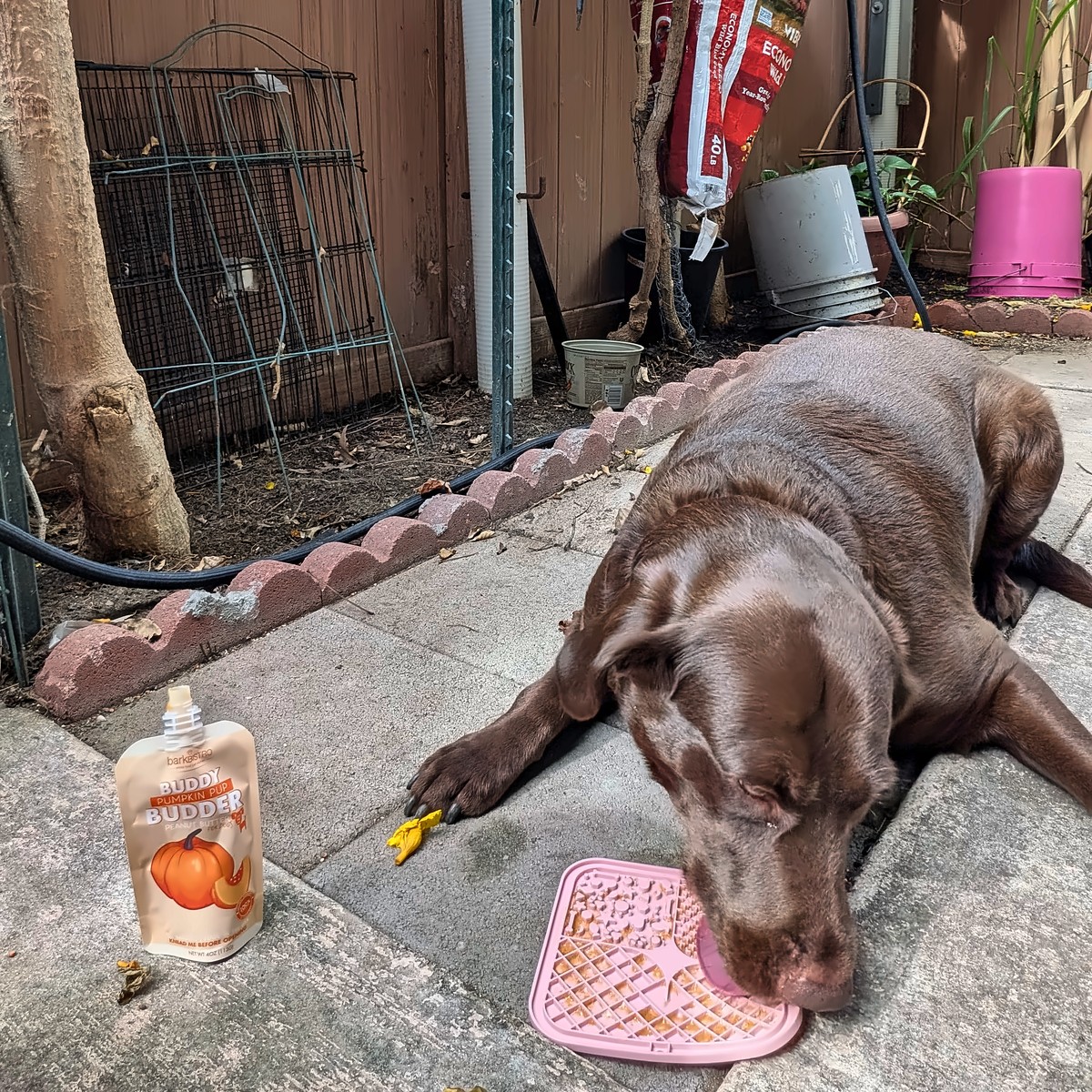
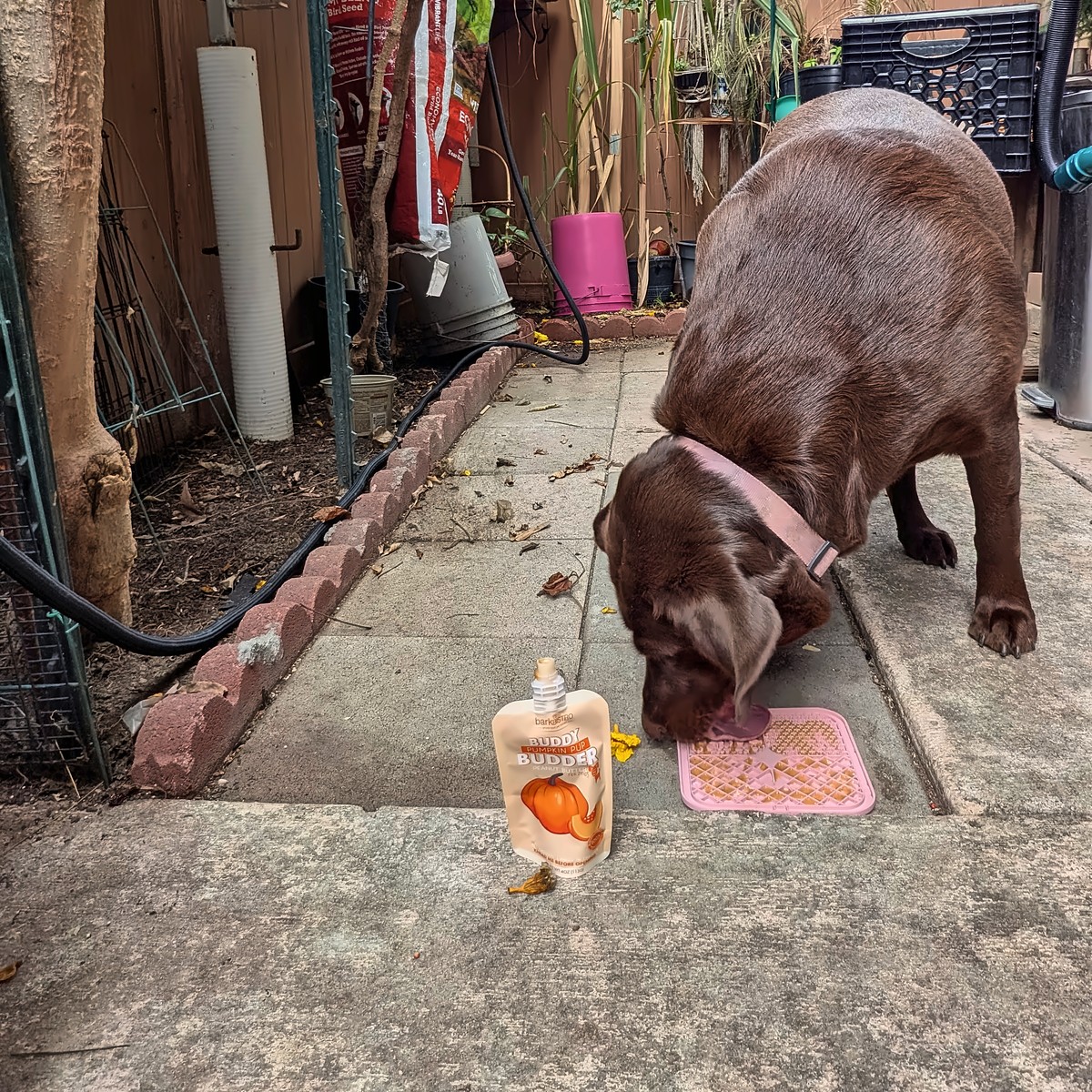
A lick mat is not a treatment for vomiting, and it is not right for every vomiting dog. But for dogs who gulp, get overexcited, or need help taking tiny amounts slowly after a mild upset, it can be a practical tool once your vet says food is okay.
If your dog is still nauseated, still vomiting, or seems uncomfortable, skip gadgets and treats and call your vet.
When vomiting is an emergency
Get urgent veterinary help if your dog:
- Keeps vomiting repeatedly
- Cannot keep water down
- Seems weak, shaky, or unusually sleepy
- Has a swollen or painful belly
- Is trying to vomit but little or nothing comes out
- Has blood in the vomit or very dark vomit
- May have eaten a toy, corn cob, sock, candy, medication, or toxin
- Is a puppy, senior, or medically fragile dog
A dog that is repeatedly retching without bringing much up can be in real trouble. That is not a “wait and see until morning” situation.
What to tell your vet
You do not need a perfect report. Just give the basics.
Helpful details include:
- When the vomiting started
- How many times it happened
- Whether your dog can keep water down
- What the vomit looked like
- Any diarrhea, shaking, pain, bloating, or lethargy
- Anything unusual your dog may have eaten
- Any recent diet changes, travel, trash raids, or party food
Photos or a short video can help if you have them.
How to clean up and reset calmly
Dogs often want to rush right back to normal. You do not have to.
Clean up well, offer a quiet place to rest, and keep activity calm for a bit. If your dog drooled, paced, or vomited after gulping food, slow feeding may help in the future. If the trigger seems to be stress, look for patterns: guests, thunderstorms, car rides, or nonstop Halloween doorbells.
For dogs who do better with calm licking during stressful moments, a lick mat can also be handy outside of stomach-upset days.
Use only dog-safe foods and only when your vet says your dog is ready to eat. If your dog is vomiting, do not assume peanut butter or any treat is appropriate in that moment.
A practical plan for the next time
If your dog has a history of random stomach upsets, make a simple plan now.
Keep your vet’s number easy to find. Know your nearest emergency clinic. Keep unsafe candy and decorations well out of reach. On rainy OC walks, watch for mushrooms, dropped food, and mystery stuff washed into gutters. And if your dog tends to inhale food or gets frantic during busy evenings, slow routines can help.
A lick mat is one simple tool some families like to keep around for calm, slow licking during grooming, storms, or other stressful moments too.
Frequently asked questions
My dog keeps throwing up but acts normal. Should I still call the vet?
If it is more than one episode, yes, it is worth calling. A dog can seem fairly normal at first and still need care, especially if vomiting continues or your dog cannot keep water down.
Can I give my dog water after vomiting?
Usually, small amounts are safer than letting a thirsty dog gulp a full bowl. But if your dog vomits even after small sips, call your vet.
Is grass the reason my dog keeps throwing up?
Sometimes dogs eat grass and vomit, but grass is not always the real cause. If your dog keeps throwing up, do not assume grass explains it. Look at the full picture and ask your vet.
Can a lick mat help after vomiting?
Sometimes, but only after your vet says your dog is ready for food again. A lick mat can help some dogs take small amounts slowly. It is not a cure, and it is not the right move for every dog.
Shop this article
Replies (0)
No replies yet — start the conversation.
Keep reading

dog behavior · 7 min read
Why Does My Dog Stare at Me? What It Usually Means
Why does my dog stare at me? Usually it means attention, anticipation, confusion, or bonding. Here’s how to read the context and when to ask your vet.

airtag dog collar · 6 min read
Best AirTag Dog Collar: What Actually Matters
Looking for the best AirTag dog collar? Here’s what really matters: secure fit, comfort, visibility, and realistic expectations about what AirTag can and can’t do for dogs.

dog training · 6 min read
How to Stop My Dog From Jumping on People
To stop your dog from jumping on people, reward four paws on the floor every time and remove attention from jumping. Here’s a simple plan that works better than yelling or kneeing.