halloween · dog safety · costumes · collars
Dog Halloween Costumes: Safe, Simple Tips for a Fun Night
Dog halloween costumes can be fun if they fit well and your dog is comfortable. Here’s how to choose, test, and use a costume safely, plus candy, doorbell, and night-walk tips.
▶ Watch Kayna explain it in about a minute — or read on. Watch on YouTube
Video transcript
Most Halloween dog problems are not the costume. I’m Kayna from Pawdy, and we’re busting three Halloween myths fast. Stick around for the tip that matters more than the costume. Question two: if my dog can walk, the costume fits fine? Myth. A safe costume also lets your dog pant, see, hear, and move without rubbing or slipping. Short practice at home tells you a lot. Round three: candy is a bigger Halloween risk than the costume? Fact. Chocolate and sugar-free candy with xylitol can be dangerous for dogs, so keep bowls and wrappers completely out of reach. Bonus question: a costume alone makes my dog easy to see at night? Myth. Halloween walks need real visibility and secure ID, especially with dark sidewalks and busy streets. Cute is not the same as visible. Does your dog love costumes or hate them? Tell Kayna below! For safer Halloween walks, I like the LED Collar & Leash Set. See more at pawdyshops.com. Happy Halloween, friends!
Dog halloween costumes can be safe and fun, but only if your dog is comfortable wearing them and can move, breathe, see, and hear normally. If your dog hates costumes, skip the outfit and focus on safety, treats made for dogs, and a calmer Halloween setup instead.
Halloween in Orange County can mean warm evenings, crowded sidewalks, open doors, and lots of doorbell action. That is a lot for many dogs. This guide will help you choose and use dog halloween costumes wisely, avoid common hazards like candy and loose accessories, and make the night easier on dogs who get overstimulated.

How to choose dog halloween costumes safely
The best costume is the one your dog will actually tolerate. That might be a full outfit, or it might just be a simple bandana, cape, or festive collar setup.
Check these basics before your dog wears anything:
- Your dog can walk normally without tripping
- Nothing presses on the throat, chest, eyes, or ears
- Your dog can pant easily
- The costume does not block vision or hearing
- There are no small pieces your dog could chew off and swallow
- The fabric does not rub under the legs or around the neck
If your dog freezes, scratches at the costume, tucks the tail, pants heavily when it is not hot, or keeps trying to hide, that costume is not a good match. Some dogs enjoy dressing up. Some clearly do not. That part depends on the dog.
A good rule is to test the costume at home well before Halloween night. Start with a minute or two, reward calm behavior, then take it off. Build up slowly if your dog seems relaxed.
| Costume check | What to look for |
|---|---|
| Fit | Snug enough to stay on, loose enough to move freely |
| Face area | Nothing near eyes, nose, or mouth |
| Legs | No tight bands or fabric that changes stride |
| Sound | No crinkly parts that startle your dog |
| Chew risk | No dangling buttons, strings, or tiny decorations |
Why many dogs do better with less costume
For plenty of dogs, “less” is the smart choice. A full costume may look cute in a photo, but if your dog spends the whole time trying to get out of it, it is not worth it.
For nervous dogs, seniors, puppies, or dogs new to costumes, a simple setup is often best:
- A lightweight seasonal bandana
- A quick photo indoors, then costume off
- A reflective collar for evening walks
- A leash and ID-first approach instead of a full outfit
On Halloween, safety matters more than a perfect picture.
Candy, chocolate, and xylitol: the real Halloween hazards
The costume gets most of the attention, but candy is the bigger risk. Chocolate can be dangerous for dogs, and sugar-free candy or gum may contain xylitol, which is an emergency risk for dogs. Keep candy bowls, treat bags, and dropped wrappers completely out of reach.
Also watch for:
- Raisins
- Candy corn and other sugary treats
- Lollipop sticks and wrappers
- Glow sticks and small plastic decorations
If your dog eats Halloween candy or anything you are unsure about, call your vet right away or contact an emergency vet. Do not wait for symptoms to get worse.
If you want to include your dog in the fun, use dog-safe treats instead of sharing human sweets.
Doorbell stress, trick-or-treaters, and overstimulation
A lot of dogs do not care about costumes nearly as much as they care about the front door. Repeated knocks, excited kids, and people in masks can be stressful.
If your dog barks, rushes the door, or gets anxious, make a plan before the first trick-or-treater arrives.
Helpful options:
- Take your dog for a walk before the busy hours start
- Set up a quiet room away from the door with water and a bed
- Use white noise, music, or a fan to soften outside sounds
- Give your dog a chew, stuffed toy, or calm activity during peak traffic
- Keep your dog leashed if guests are coming in and out
If your dog is social and wants to greet people, keep greetings short and controlled. Not every child wants to meet a dog, and not every dog is comfortable with costumes, masks, or fast movements.
A calm backup activity can help many dogs settle during the busiest part of the evening.
Night walks on Halloween: visibility and ID matter
Halloween often means dusk walks, darker streets, and more distractions. If you head out for a neighborhood stroll or a quick potty break, make sure your dog is easy to see and easy to identify.
That means:
- A secure collar that fits properly
- Updated ID tags
- A leash, even if your dog is usually reliable
- Reflective or light-up gear for low light
This matters even more on busy OC sidewalks and neighborhood streets where kids may dart around, decorations move in the wind, and doors are opening constantly.
A costume should never replace a properly fitted walking setup. If the costume slips, twists, or startles your dog, remove it and continue with regular gear.
How to do a Halloween costume test at home
Before the big night, run a quick costume trial:
- Put the costume on for 1 to 2 minutes indoors.
- Offer praise and a dog-safe treat.
- Ask for a few easy movements like walking, sitting, and turning.
- Check for rubbing, slipping, or awkward movement.
- Remove it before your dog gets frustrated.
If that goes well, try another short session the next day. If it does not go well, switch to something simpler.
This is also a great time to take your photo. Many dogs are happiest doing a short costume moment rather than wearing something for a whole evening.
A simple Halloween plan for dogs who do not like costumes
If your dog clearly says “no thanks,” you still have plenty of ways to include them:
- Skip the costume
- Use regular collar and leash gear
- Keep candy put away
- Give them a calm room during trick-or-treat hours
- Take a short early walk before the rush
- Snap a cute photo with a pumpkin nearby, out of chewing range
You can also make the night fun without dressing your dog up. Pawdy has a free Halloween costume cartoon for dogs and cats if you want a festive keepsake without asking your pet to wear anything.
When to skip the costume completely
Skip dog halloween costumes if your dog:
- Has trouble breathing or overheating easily
- Panics when clothing touches the body or head
- Tries to bite or chew the costume off
- Cannot walk naturally in it
- Seems stressed even after short practice sessions
A relaxed dog in normal gear is always better than a miserable dog in a costume.
Frequently asked questions
Are dog halloween costumes safe for all dogs?
No. Dog halloween costumes are only safe if your dog is comfortable and the costume does not affect breathing, movement, vision, or hearing. Some dogs do fine in simple outfits, and some are better off skipping costumes entirely.
How do I know if my dog hates wearing a costume?
Watch body language. Freezing, hiding, heavy panting, tail tucking, constant scratching, or trying to remove the costume are signs your dog is not comfortable.
What should I do if my dog eats Halloween candy?
Call your vet or an emergency vet right away. Chocolate and xylitol are serious concerns for dogs. Bring the package details if you can.
What are the best dog halloween costumes for nervous dogs?
Usually the simplest option. A light accessory, a very short photo session, or no costume at all is often best for nervous dogs. Focus on calm handling, treats, and keeping them away from the front-door chaos.
Shop this article
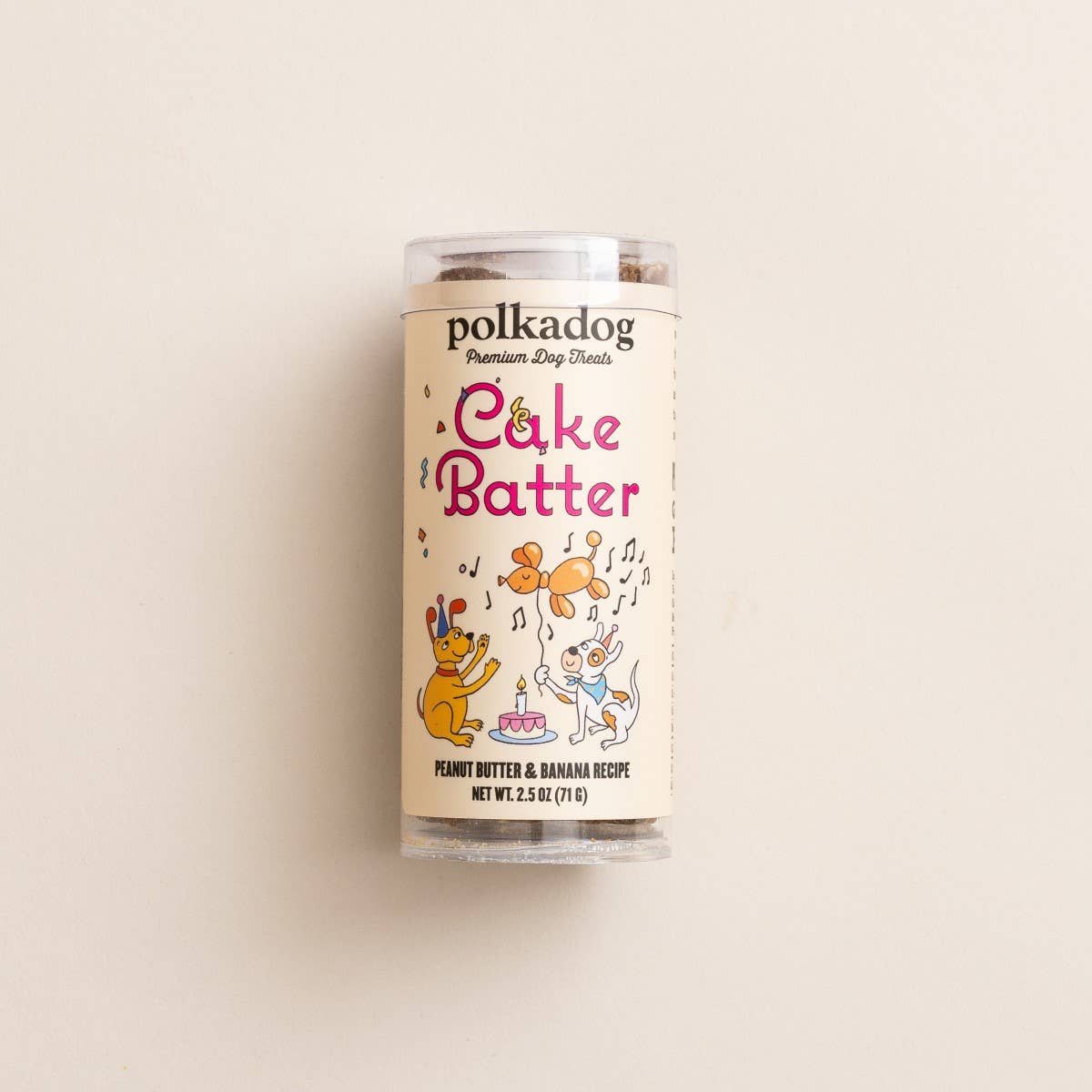
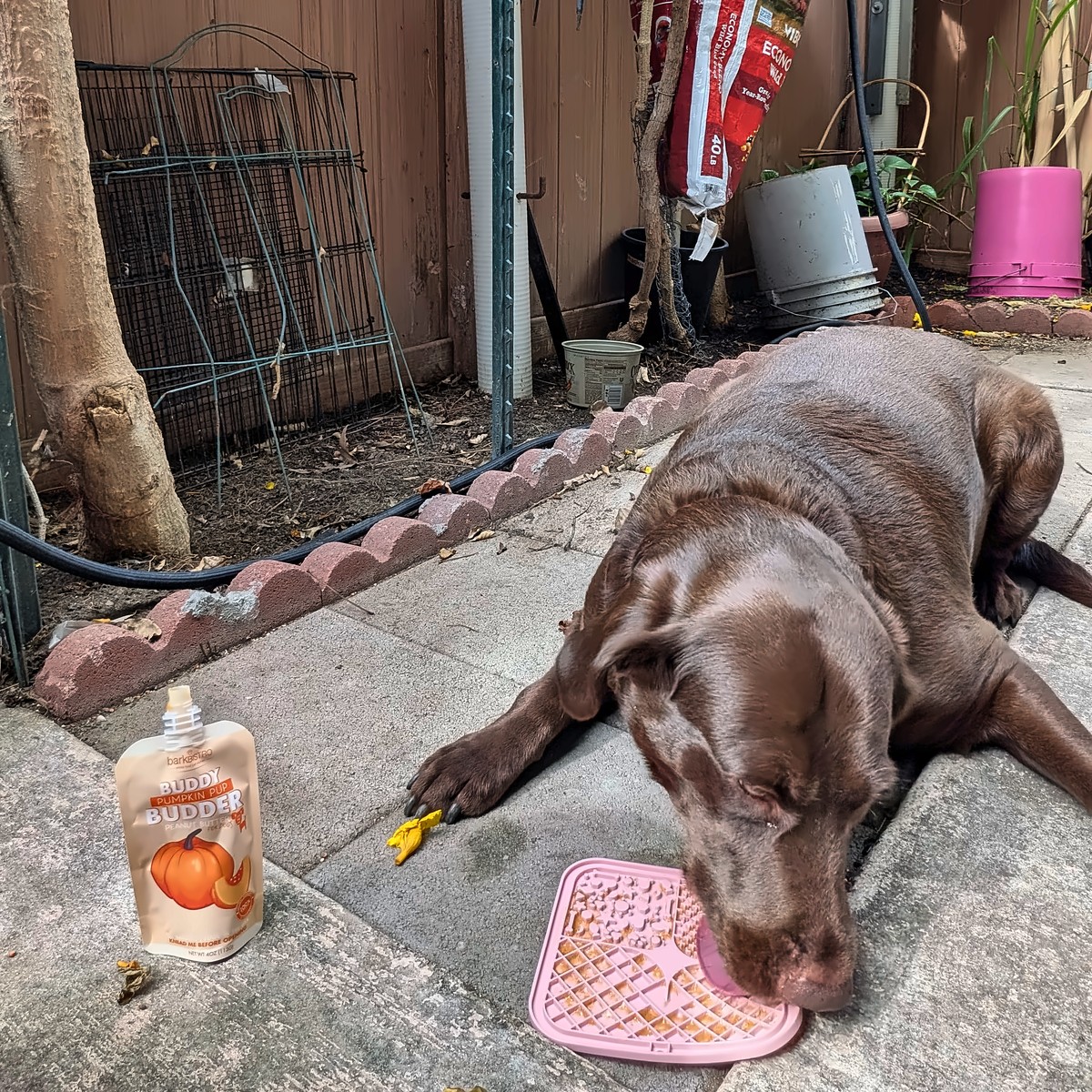
Replies (0)
No replies yet — start the conversation.
Keep reading

airtag dog collar · 6 min read
Best AirTag Dog Collar: What Actually Matters
Looking for the best AirTag dog collar? Here’s what really matters: secure fit, comfort, visibility, and realistic expectations about what AirTag can and can’t do for dogs.
walk · 2 min read
Night walk safety: how to keep your dog visible after dark
With Halloween arriving, expect more noise and trick-or-treaters. Simple ways to keep your dog visible and safe during evening walks in Orange County.
safety · 5 min read
AirTag dog collars: what they can and can't do
An AirTag isn't GPS. How it finds your dog through nearby iPhones, why Android owners can't use it, the anti-stalking alerts, and why you still need ID.