lick mat · dog enrichment · grooming · calming
How to Use a Lick Mat for Dogs
A lick mat can help many dogs stay calmer during grooming, baths, and crate time. Here’s how to choose what to spread on it, use it safely, and clean it well.
▶ Watch Kayna explain it in about a minute — or read on. Watch on YouTube
A lick mat for dogs is a simple tool that can help turn stressful moments into easier ones. Used the right way, it gives your dog something soothing to do during baths, brushing, nail trims, quiet time, or just a busy afternoon at home.
The trick is not just smearing food on a mat and hoping for the best. What you put on it, when you use it, and whether your dog tends to chew all matter.

What a lick mat actually does
Licking is naturally repetitive and calming for many dogs. A textured mat slows your dog down, keeps a small amount of food busy for longer, and gives their brain a job.
That can be helpful in everyday Orange County life: a quick bath after a sandy park visit, settling down while guests come over, or making at-home grooming less dramatic.
A lick mat is not magic, and it will not fix fear or severe separation issues on its own. But it can be a useful part of a routine.
When a lick mat helps most
A lick mat works best when you use it before your dog is already fully stressed. Think of it as a head start, not a rescue plan.
Good times to try it:
- During baths or towel dries
- While brushing or wiping paws
- During nail care, if your dog can still stay reasonably calm
- In the crate for short, positive quiet time
- On rainy days or hot afternoons when walks are shorter
- When you need a little calm while you cook or answer the door
If your dog is panicking, thrashing, guarding food, or trying to eat the mat, stop and reset. For big behavior concerns, ask a qualified trainer or your vet for guidance.
What to spread on a lick mat
The best spread is dog-safe, easy to smear thinly, and something your dog enjoys. You do not need a lot.
A thin layer usually works better than a big glob. It lasts longer, makes less mess, and is easier on your dog's stomach.
Here are a few simple options:
| Spread idea | Why it works | Best for |
|---|---|---|
| Dog-safe peanut butter | Sticky and rewarding | Short grooming sessions |
| Wet dog food | Familiar taste | Meals or crate enrichment |
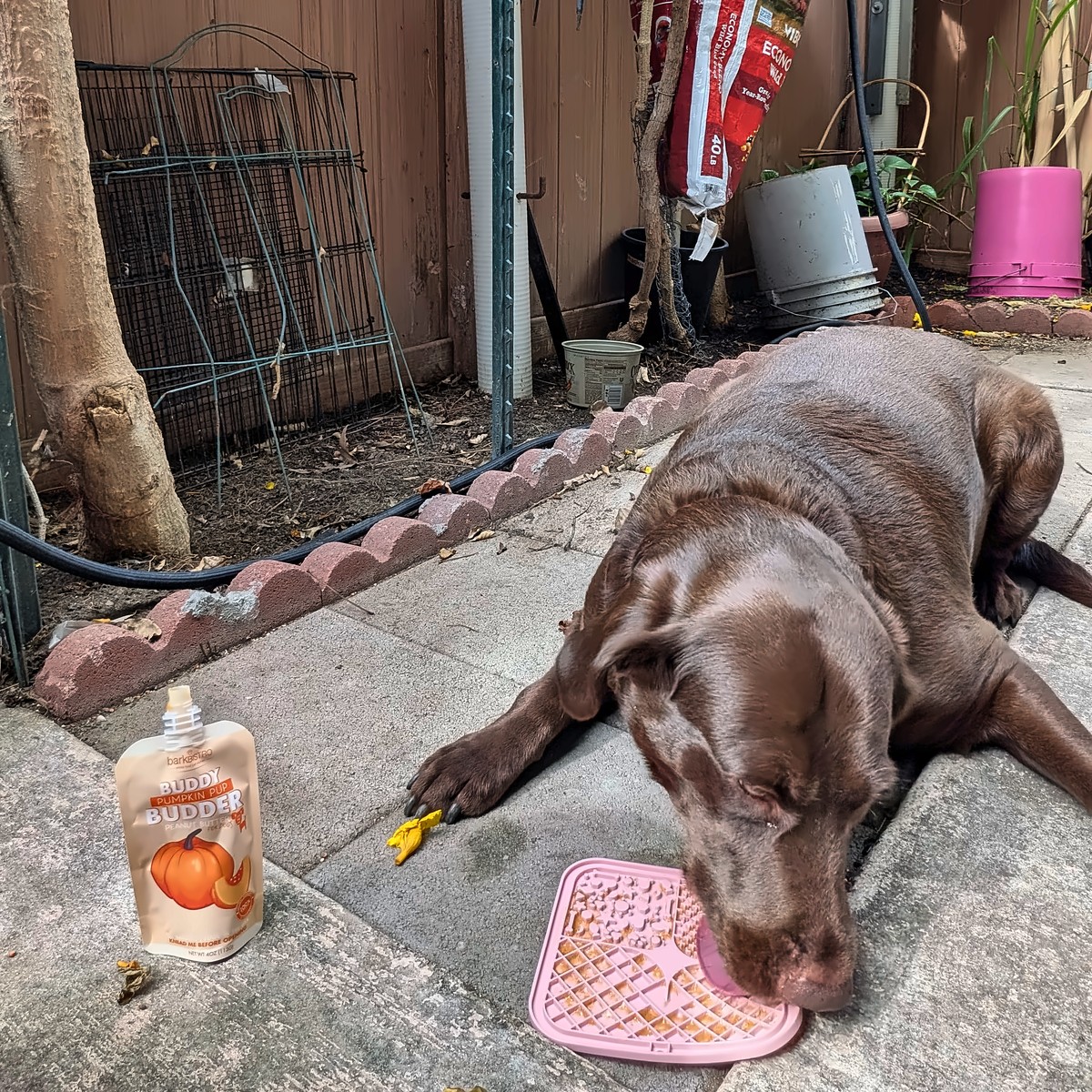
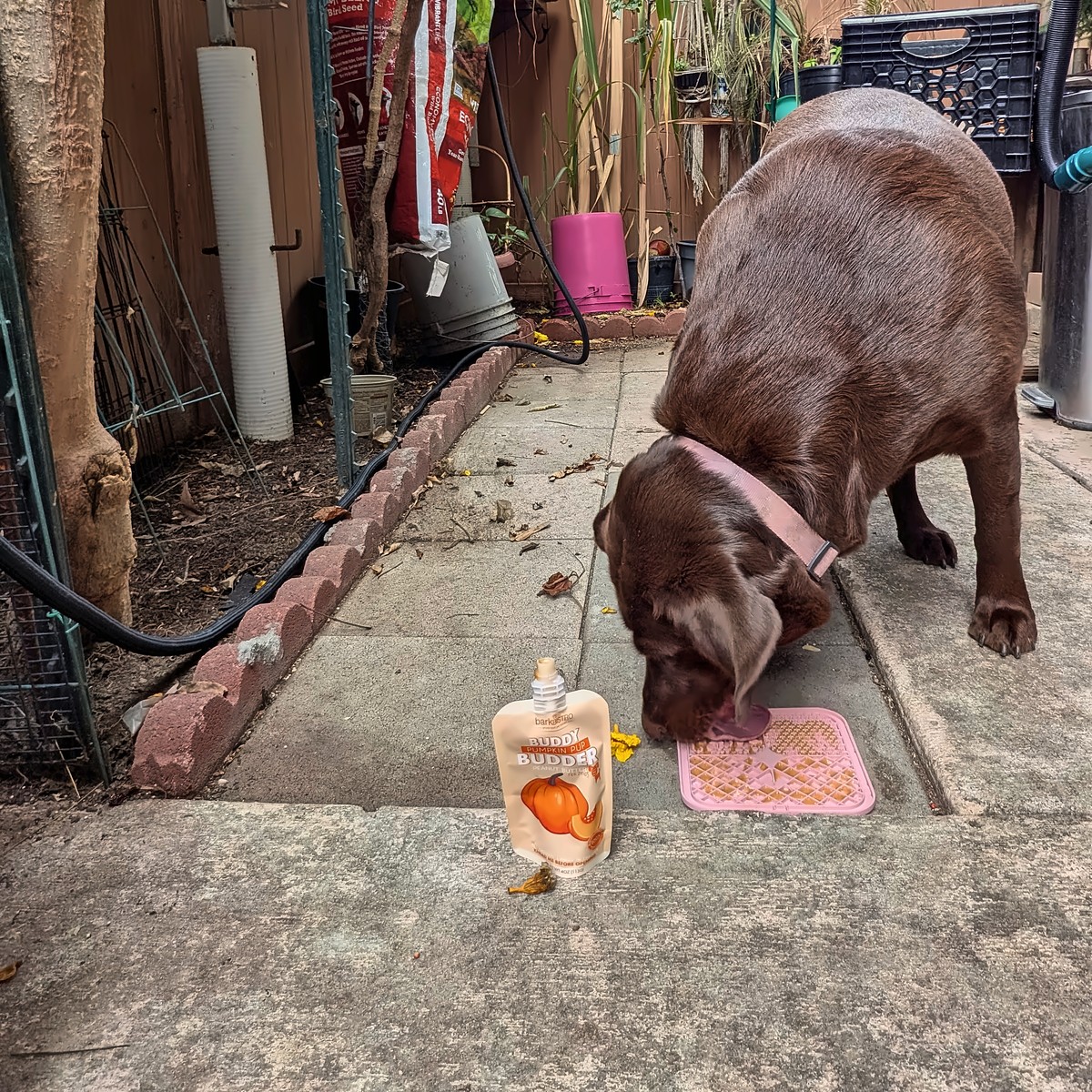
| Plain pumpkin puree | Easy to spread | Variety, if it agrees with your dog |
| Plain unsweetened yogurt | Cooling and smooth | Warm days, if dairy suits your dog |
Important: ingredients matter. Avoid anything with xylitol, and be careful with rich foods if your dog has a sensitive stomach. If your dog has diet restrictions, ask your vet what is appropriate.
How to introduce a lick mat
Many dogs understand it right away. Some need a very easy first win.
Start simple:
- Put a small, thin smear on the mat.
- Offer it on the floor with no bath, no grinder, no pressure.
- Let your dog lick for a minute or two.
- Pick it up while they are still interested.
- Repeat a few times before using it during something harder.
This helps your dog learn that the mat predicts good things.
If your mat has suction cups and your dog is unsure about it stuck to a wall, start by using it flat on the floor first. Then try attaching it later in a calm moment.
Using a lick mat for baths and grooming
This is where lick mats really shine for many dogs.
For baths, stick the mat to the tub wall or shower wall if it holds there securely. Offer it before the water starts. Let your dog begin licking first, then move into the bath calmly.
For brushing or wiping paws, place the mat where your dog can reach it without twisting awkwardly. You want your dog comfortable, not stretching and slipping.
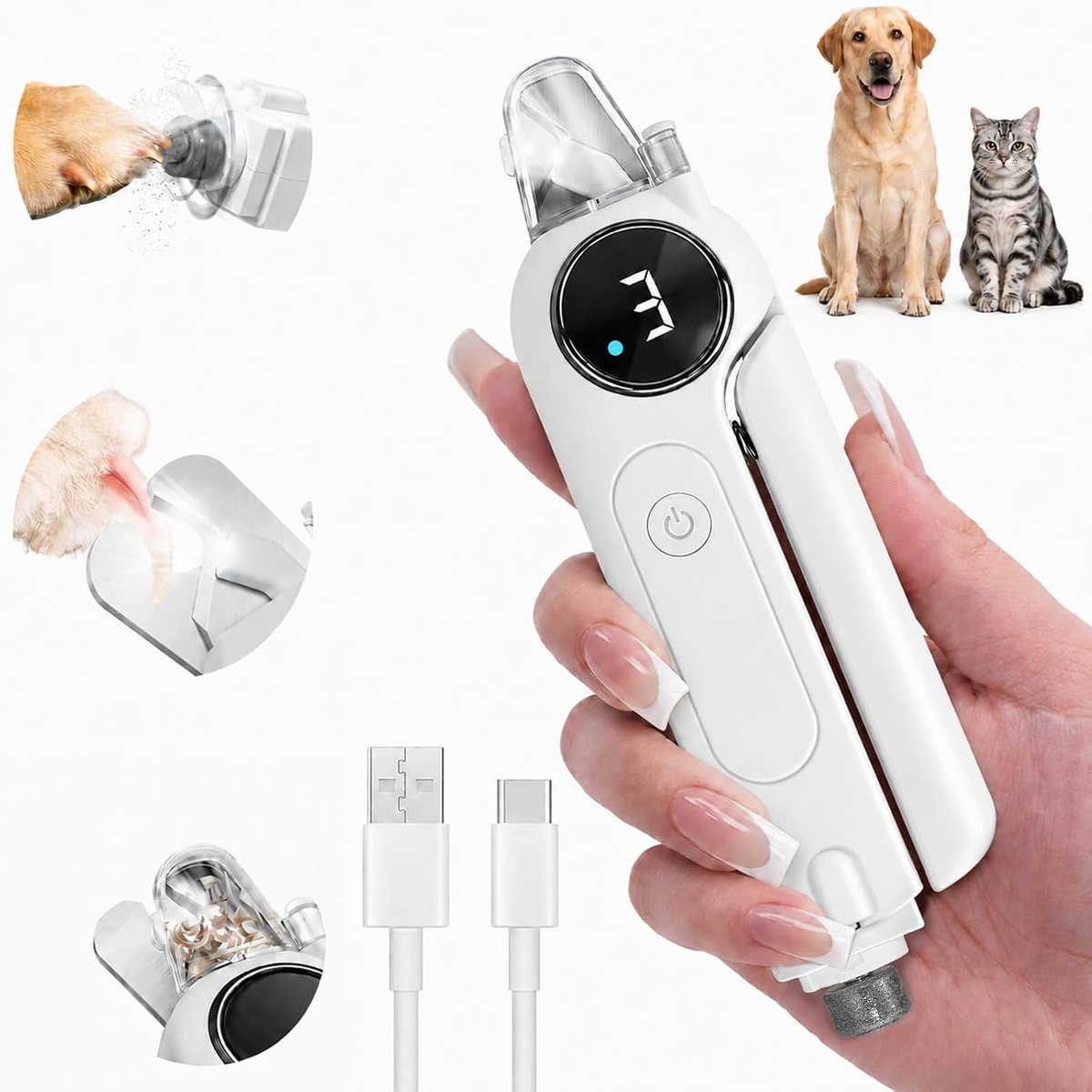
For nail care, a lick mat can help, but it depends on your dog. Some dogs become much easier to handle with a steady licking job. Others are still too worried about paw handling. Keep sessions short, reward often, and stop before your dog gets overwhelmed.
If you are working on nails at home, pairing calm food enrichment with slow practice can help.
Three common mistakes to avoid
1. Using too much food
A lick mat should usually be a small enrichment item, not an automatic extra feast. If you use it often, account for that in your dog's daily food.
2. Giving it to a dog who will chew it
Some dogs lick. Some dogs lick for ten seconds and then start ripping corners off. Supervise until you know which kind of dog you have.
If your dog tries to chew and swallow pieces, a lick mat may not be the right tool.
3. Only bringing it out for stressful events
If the mat only appears right before a bath your dog hates, your dog may catch on fast. Mix in easy, happy uses on normal days too.
Should you freeze a lick mat?
You can, if your dog likes it and the topping freezes well. A chilled or frozen mat can last longer and may feel nice on a warm day.
But frozen is not automatically better.
For some dogs, especially beginners, a fully frozen mat is frustrating rather than calming. Start with room-temperature or lightly chilled spreads first. Once your dog understands the game, try freezing a thin layer and see how they do.
How to clean a lick mat well
The texture that makes a lick mat useful also makes it a little annoying to clean.
A good routine helps:
- Rinse it soon after use so food does not dry into the grooves
- Use warm water and a brush or sponge that can reach the texture
- Check the corners and suction cups carefully
- Let it dry fully before putting it away
If the mat starts holding odors or looks damaged, replace it. Cracks, tears, or loose pieces are not worth the risk.
Is a lick mat right for every dog?
No. It is a great fit for many dogs, but not all.
A lick mat may be a good choice if your dog:
- Enjoys licking and food puzzles
- Needs help settling during short care routines
- Does well with soft, spreadable treats
- Can use it under supervision without chewing it up
It may be a poor fit if your dog:
- Guards food aggressively
- Tries to swallow pieces of silicone or rubber items
- Has a medical diet that makes common toppings tricky
- Gets more frustrated than relaxed by food puzzles
That is normal. Dog tools are not one-size-fits-all.
A simple lick mat routine to try tonight
If you want the easiest possible start, do this:
- Put a thin smear of dog-safe spread on the mat.
- Offer it in a calm room.
- Let your dog lick for one to three minutes.
- End before they get bored or start chewing.
- Repeat again tomorrow.
Once that feels easy, use it during one small care task, like a quick brush or paw wipe.
The goal is not perfection. The goal is making routine care feel more manageable for both of you.
Frequently asked questions
How long should a dog use a lick mat?
Usually just a few minutes is plenty. It depends on the topping, how thinly you spread it, and your dog's style of licking. Short, successful sessions are better than long ones that end with chewing.
Can I give my dog a lick mat every day?
Often, yes, if the food on it fits your dog's overall diet and your dog uses it safely. If your dog has allergies, stomach issues, or a prescription diet, ask your vet what foods make sense.
Are lick mats good for puppies?
They can be, as long as the puppy is supervised and not shredding the mat. Keep toppings simple and use very small amounts at first.
Can a lick mat help with anxiety?
It can help some dogs feel calmer in the moment, especially during mild stress or routine care. It is not a full treatment for anxiety. If your dog is very fearful or struggling often, talk with your vet.
Shop this article
Replies (0)
No replies yet — start the conversation.
Keep reading

dog-health · 3 min read
Why Does My Dog Lick His Paws? 4 Real Reasons
Licking paws is often normal, but chronic licking can signal allergies or stress. Learn how to tell the difference and when to call your vet.

grooming · 4 min read
How to Use a Dog Nail Grinder Without the Stress
Stop the snip-snip anxiety. Learn how a nail grinder works, how to hold your dog, and how to avoid the quick with this simple step-by-step guide for Orange County pups.
grooming · 2 min read
Grinding vs. clipping: trimming your dog's nails at home
Long nails change how dogs stand and walk. Here's how often to trim, the difference between grinding and clipping, and how to make nail time calm instead of a wrestling match.