dog-health · behavior · grooming · orange-county
Why Does My Dog Lick His Paws? 4 Real Reasons
Licking paws is often normal, but chronic licking can signal allergies or stress. Learn how to tell the difference and when to call your vet.
▶ Watch Kayna explain it in about a minute — or read on. Watch on YouTube
Video transcript
Your dog’s tongue is not a stress ball. I'm Kayna from Pawdy. Today we decode why your dog is licking their paws and how to help. Stick around for the distraction trick that saves your floors. First, know that some licking is normal. It’s how they clean dirt from trails and beaches. If it stops and the paws look fine, you're good. But here’s the warning: if the pads turn red or the licking won’t stop, it’s a problem. Could be allergies or anxiety. My humans use a lick mat to redirect. Spread peanut butter, freeze it, and let your dog work on it for 10 minutes. Tongue busy, paws safe. Does your dog lick their paws at night? Tell Kayna in the comments! For more tips, check out the lick mat at pawdyshops.com. Stay calm, stay clean. Stay calm, stay clean.
If your dog is licking his paws, it is usually just self-grooming, but if it becomes constant, it can signal allergies, anxiety, or a skin issue. The key is to watch the frequency and check for redness or swelling to decide if it’s a habit or a health problem.
The Normal Side of Paw Licking
Dogs groom themselves by licking. Their saliva contains enzymes that help clean dirt and minor irritants. A few licks here and there, or a focused cleaning session after a walk on the trail, is perfectly healthy. In Orange County, with our sandy beaches and dusty trails, dogs pick up a lot of grit. Licking is their first attempt to clean it.
If the licking stops after a while and the pads look fine, you are likely seeing normal hygiene behavior. This is especially common after a day of play or a hike. It’s their way of saying, "I need to clean this up."
When Licking Becomes a Problem
The line between normal and problematic is drawn by persistence and physical changes. If your dog licks the same spot repeatedly for hours, or if the pads turn pink, raw, or cracked, it’s time to investigate. Chronic licking can cause a condition called lick granuloma, where the skin thickens and becomes painful.
Common underlying causes include:
- Allergies: Environmental allergies (pollen, dust) or food sensitivities often show up as itchy paws.
- Anxiety or Boredom: Stress can manifest as repetitive behaviors, including licking.
- Pain: A splinter, bug bite, or arthritis can make a dog lick to soothe the area.
How to Help at Home

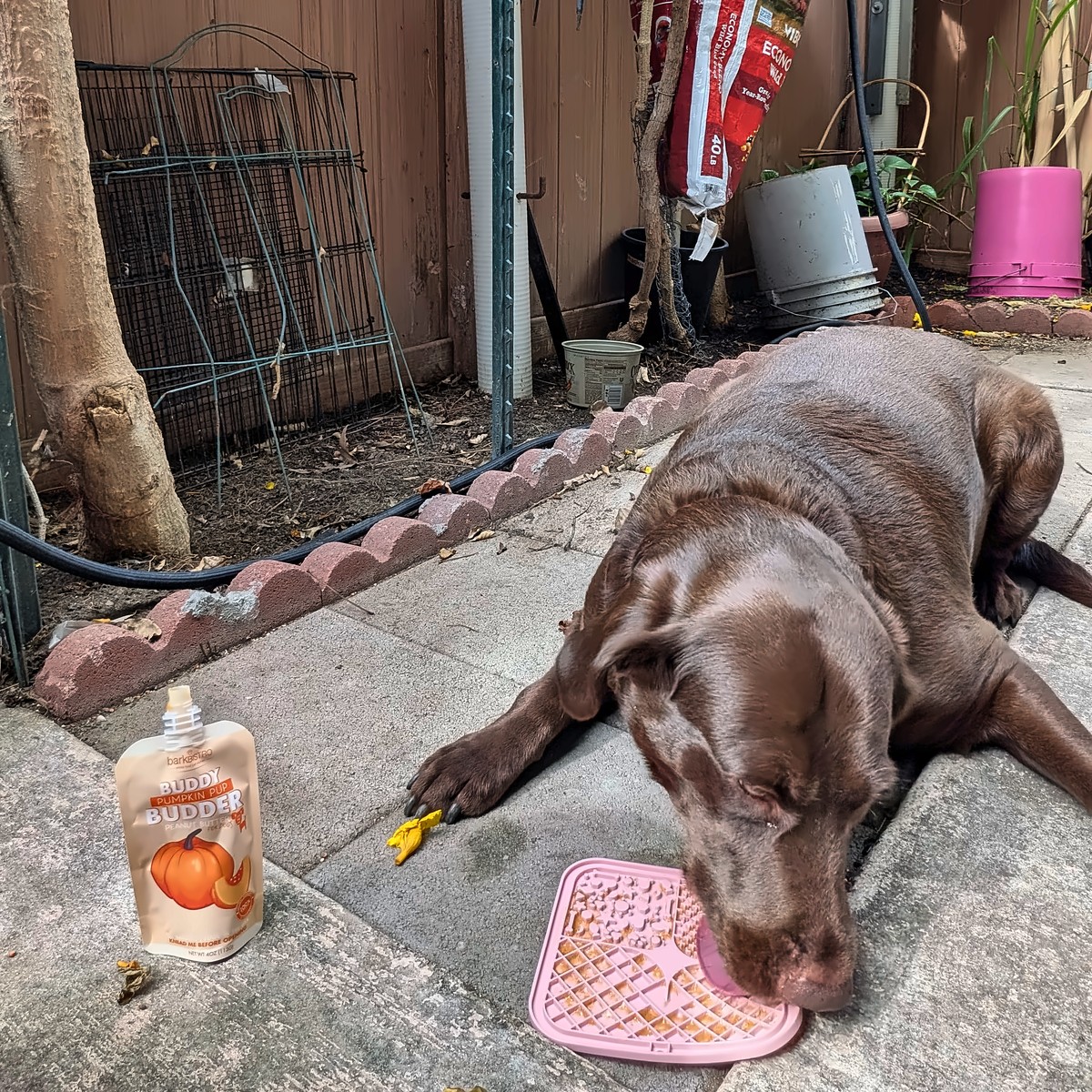
If you suspect anxiety or boredom, try to distract your dog. A lick mat is a great tool because it gives their tongue a job to do that isn't focused on their paws. You can spread a bit of dog-safe peanut butter on it, freeze it, and let them work on it for 10-15 minutes. This satisfies the urge to lick without causing skin damage.
If you think it’s allergies, try to identify triggers. If your dog gets itchy after being outside, a quick paw wash can help remove allergens before they settle into the fur.
When to See a Vet
You should consult a veterinarian if:
- The licking is constant and you can’t distract your dog.
- You see redness, hair loss, or a bad smell.
- Your dog is limping or holding a paw up.
- The behavior started suddenly.
A vet can run allergy tests or check for infections. They might recommend a medicated rinse or a change in diet. Never use human antihistamines or creams without asking a professional, as some ingredients are toxic to dogs.
Frequently asked questions
Why does my dog lick his paws at night?
Nighttime licking can be a sign of anxiety or a response to a sudden itch. If it’s only a few times, it’s likely just cleaning. If it disrupts sleep, try a calming routine or consult your vet.
Is licking paws a sign of fleas?
Fleas can cause itching, but they usually affect the belly and tail base more than the paws. If you suspect fleas, check for black specks in the fur and use a vet-recommended flea treatment.
Can I stop my dog from licking his paws with a cone?
A cone can prevent damage, but it doesn’t solve the underlying cause. If the dog is anxious, a cone might increase stress. It’s a temporary measure while you find the root cause.
What food allergies cause paw licking?
Common food triggers include chicken, beef, and grains. If you suspect food allergies, a vet can help you do an elimination diet to identify the culprit.
Shop this article
Replies (0)
No replies yet — start the conversation.
Keep reading

grooming · 3 min read
How to Use a Paw Cleaner: Dry Paws in 10 Seconds
Rainy day in OC? Here is exactly how to use a paw washer to keep your dog’s paws dry and clean. Includes tips for sandy beaches and muddy walks.

lick mat · 7 min read
How to Use a Lick Mat for Dogs
A lick mat can help many dogs stay calmer during grooming, baths, and crate time. Here’s how to choose what to spread on it, use it safely, and clean it well.

dog training · 6 min read
How to Stop My Dog From Jumping on People
To stop your dog from jumping on people, reward four paws on the floor every time and remove attention from jumping. Here’s a simple plan that works better than yelling or kneeing.