dog-behavior · bonding · anxiety · training
Why Does My Dog Follow Me Everywhere? 5 Real Reasons
Wondering why your dog follows you everywhere? From bonding to boredom, here are the real reasons behind the shadowing behavior and how to help.
▶ Watch Kayna explain it in about a minute — or read on. Watch on YouTube
Video transcript
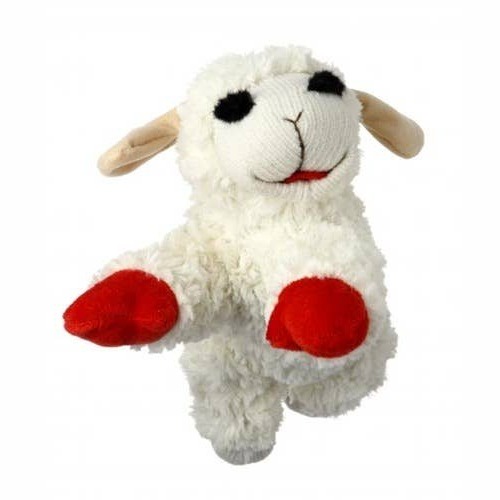
Your dog follows you because they love you. Biscuit, why are you asking me that? I don't know either! I think it's because you love me, Biscuit. But let's ask Dr. Rosa. Dr. Rosa says it's usually bonding. But if they are stressed, it could be anxiety. Whoa! I didn't know that. How do we know the difference? Look for stress signs like pacing or whining. If they are relaxed, it's just love. Great to know! Biscuit, let's practice being calm and relaxed. If your dog loves a cuddle, try this soft plush toy. Does your dog follow you everywhere? Tell Kayna below! Stay close, stay calm
If you wonder why your dog follows you everywhere, it is usually a sign of deep bonding, but it can also signal boredom or anxiety. Most dogs simply love being near their humans, but when the shadowing feels intense or stops when you leave the room, it might be worth looking at their daily routine.

Is it just love?
For most dogs, following you is a happy habit. Dogs are social pack animals, and being close to their primary human source of safety and food is comforting. If your dog follows you from the kitchen to the bathroom with a relaxed body and a wagging tail, that is likely just affection. They are saying, "I like you, and I like being near you."
When it might be boredom
If your dog follows you but also paces, whines, or looks stressed, they might be bored. Dogs need mental stimulation. If they are left alone for long stretches without toys or enrichment, they may follow you to get attention or to keep you from leaving them. A quick game of fetch or a puzzle toy can often settle this.
Could it be separation anxiety?
True separation anxiety is different from following. If your dog becomes destructive, vocalizes excessively, or has accidents when you leave, that is a medical and behavioral issue. General guidance is to start with slow departures and plenty of exercise before you leave. Always ask a vet to rule out pain or other health issues if the behavior suddenly changes.
How to give them space
You can teach your dog to be comfortable alone by rewarding them when they are in another room. Start with short periods. Use a treat to lure them to their bed or a mat, then step away for a second. If they stay, reward them. This builds the confidence that being apart is safe.
Check their environment
Make sure their space is enriching. A comfortable bed, a chew toy, and a view of the outside can help. If you work from home, try to have one quiet hour where you are not in the room, so they learn to relax without you.
Frequently asked questions
Is it normal for a puppy to follow me everywhere?
Yes. Puppies are still learning the world, and you are their safe base. This usually eases as they mature and gain confidence.
What if my dog only follows me to the bathroom?
This is often called "elevator eye" behavior or just curiosity. They may be checking if you are okay or just like to be close. Unless they are distressed, it is usually harmless.
How do I know if it is anxiety?
Look for stress signals like panting, drooling, pacing, or trying to escape. If you see these, consult a professional trainer or veterinarian.
Does following mean they are dominant?
No. Modern behavior science does not support the "alpha" dominance theory for this behavior. It is about social bonding and security.
You might like
If your dog loves to play but needs a break, a soft plush toy can be a great companion for quiet time.
Remember, every dog is different. If you are worried about your dog's behavior, a quick chat with your vet is always the best next step.
Shop this article
Replies (0)
No replies yet — start the conversation.
Keep reading

dog behavior · 7 min read
Why Does My Dog Stare at Me? What It Usually Means
Why does my dog stare at me? Usually it means attention, anticipation, confusion, or bonding. Here’s how to read the context and when to ask your vet.

training · 3 min read
How to Stop My Dog From Barking: 5 Calm Fixes
Stop the 3am barking. Learn why dogs bark, how to manage triggers, and simple training tips that work without yelling or punishment.

airtag dog collar · 6 min read
Best AirTag Dog Collar: What Actually Matters
Looking for the best AirTag dog collar? Here’s what really matters: secure fit, comfort, visibility, and realistic expectations about what AirTag can and can’t do for dogs.