dog behavior · ear care · dog health basics · fall dog care
My Dog Keeps Shaking His Head: What It Usually Means
If your dog keeps shaking his head, it can be as simple as water in the ear or as serious as an ear problem. Here’s what to check at home, what not to do, and when to call your vet.
▶ Watch Kayna explain it in about a minute — or read on. Watch on YouTube
Video transcript
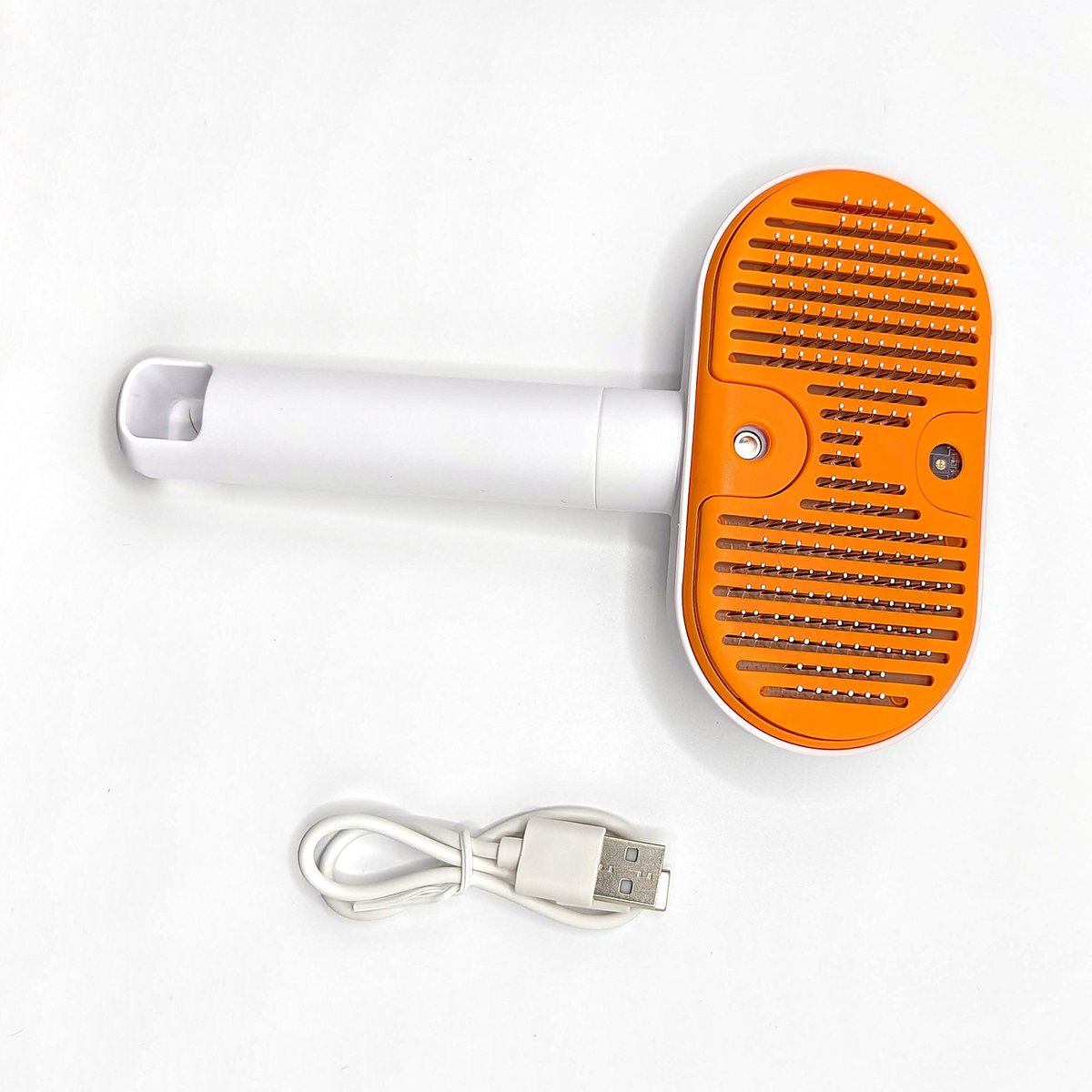
One head shake is normal. Repeated shaking is not. I’m Kayna from Pawdy, and we’re playing three fast rounds. Stick around for the clue that tells my humans to call the vet. Round one. After a bath, what often causes head shaking: A trapped water, B hunger, or C boredom? A is right. Water in the ears can feel weird fast, so my humans dry the outside well and keep watching if I keep shaking. Round two. Which extra sign matters most: A zoomies, B bad smell, or C wagging tail? B is right. A bad smell, discharge, or pain can mean the ear needs a vet check, not a guess at home. Round three. What should my humans skip: A deep cotton swabs, B gentle watching, or C pausing swims? A is right. Deep swabs can push stuff farther in or hurt a sore ear, so hands stay gentle and shallow only. For regular coat checks, my humans like this brush: {{product:Mist Grooming Brush for Dogs & Cats}}. You can find it at pawdyshops.com. Does your dog shake more after baths, beach days, or walks in the rain? See you next quiz
If your dog keeps shaking his head, the most common reasons are ear irritation, water in the ears, itching, or pain. A quick head shake once in a while can be normal, but repeated shaking means it’s worth checking sooner rather than later.
This is one of those dog behaviors that can look small at first and get worse fast. Dogs shake to try to fix the feeling on their own. Your job is not to diagnose it at home, but to notice the pattern, do a safe basic check, and know when to call your vet.

My dog keeps shaking his head: what should I check first?
Start simple. Look for clues, but don’t poke deep into the ear canal.
Here’s a good first pass:
| Check | What to look for | What not to do |
|---|---|---|
| One ear or both | Is the shaking mostly on one side? | Don’t force the ear open if your dog resists |
| Ear flap | Redness, swelling, scabs, tenderness | Don’t scrub hard |
| Ear opening | Wax, debris, moisture, bad smell | Don’t use cotton swabs deep in the ear |
| Recent activity | Bath, swimming, beach day, grooming, rough play | Don’t assume it will just pass |
| Whole dog | Head tilt, pawing at ear, whining, balance changes | Don’t wait if symptoms are severe |
A single shake after a bath or a romp at the beach can be nothing more than trapped moisture. But if your dog keeps shaking his head over and over, especially with scratching or discomfort, it often points to ear trouble.
Common reasons dogs shake their heads
Ear issues are the big one. That can include wax buildup, irritation, trapped water, or an infection. Allergies can also make the ears itchy. Sometimes a bit of grass, sand, or other debris gets in there and feels awful.
Less often, dogs shake because something hurts around the head or mouth, or because they’re dealing with a bigger balance problem. If your dog seems dizzy, walks oddly, or can’t settle, that is vet-call territory.
A few common causes:
- Water in the ears after baths or swimming
- Ear irritation from wax or debris
- Ear infections
- Allergies affecting the ears and skin
- A foreign object like a grass seed or sand
- Pain or tenderness around the ear flap
In Orange County, this can show up after beach trips, trail walks, grooming days, or rainy weekend walks when dogs come home damp and muddy.
Signs it may be more than a normal head shake
This is where frequency matters. One shake is not the same as constant shaking through the evening.
Watch for these signs:
- Repeated shaking several times in an hour
- Scratching at the ear
- Rubbing the head on furniture or carpet
- Redness or swelling
- A strong odor from the ear
- Dark discharge or unusual buildup
- Crying out when the ear is touched
- Holding the head tilted
- Acting off balance or low-energy
If you notice swelling in the ear flap itself, call your vet promptly. Repeated hard shaking can sometimes lead to a swollen ear flap that needs treatment.
What you can safely do at home
Keep it basic and gentle.
First, pause swimming and baths until you know what’s going on. If the outer ear flap is damp or dirty, you can wipe only the outside with a soft cloth. If your dog already uses a vet-approved ear cleaner, follow your vet’s directions. If not, it’s smarter to ask before starting one.
Do not pour random liquids into the ear. Skip hydrogen peroxide, vinegar mixes, essential oils, and anything homemade unless your vet specifically told you to use it for your dog. If there’s an infection, a ruptured eardrum, or a sore ear canal, the wrong product can make things worse.
If your dog is fighting you, stop. A painful ear is easy to accidentally irritate more.
When to call the vet
Call your vet if your dog keeps shaking his head for more than a day, or sooner if the shaking is frequent or your dog seems uncomfortable. You should also call sooner for discharge, odor, swelling, pain, a head tilt, balance changes, or if your dog won’t let you near the ear.
Ask a vet right away if:
- Your dog seems in pain
- The ear flap looks swollen or puffy
- There is bleeding or discharge
- Your dog is stumbling or tilting the head
- The ear smells bad
- The shaking started suddenly after foxtails, tall grass, or outdoor play
Your vet can look deeper into the ear safely and tell whether it’s irritation, infection, debris, allergies, or something else. That matters because treatment depends on the cause.
What not to do if your dog keeps shaking his head
A lot of ear mistakes come from trying to help too fast.
Avoid these:
- Don’t use cotton swabs deep in the ear
- Don’t use leftover medication from a past issue
- Don’t clean aggressively if the ear looks painful
- Don’t ignore a bad smell or discharge
- Don’t keep letting your dog swim if the ear seems irritated
If your dog hates ear handling in general, work on calm, reward-based handling when the ears are healthy. Touch the ear flap, reward, and stop before your dog gets tense. That can make future checks much easier.
Can grooming help spot the problem early?
Yes. Regular brushing and calm once-overs help you notice small changes before they become a bigger mess. You may spot extra scratching, flaky skin, damp fur around the ears, or your dog flinching when one side is touched.
For dogs with seasonal shedding, a simple grooming routine also makes it easier to notice what’s normal for your dog and what’s new.
A light mist brush can be a nice add-on for coat care, especially during shedding season, because it helps settle loose fur while you check your dog over. It won’t treat ear problems, but it can help you catch irritation around the head and neck area sooner.
Prevention tips that actually help
You can’t prevent every ear problem, but you can lower the odds.
Try these habits:
- Dry the outer ear area well after baths or swimming
- Check ears after beach days and trail walks
- Keep up with regular grooming and skin checks
- Ask your vet how often your dog’s ears should be cleaned
- Pay attention to allergy flare-ups if your dog gets itchy seasonally
Some dogs are simply more prone to ear trouble than others. Floppy ears, allergies, frequent swimmers, and dogs with sensitive skin may need more regular checks.
Frequently asked questions
My dog keeps shaking his head but his ears look clean. What could it be?
It could still be ear irritation, trapped moisture, allergies, or pain deeper in the ear that you can’t see from the outside. If it keeps happening, ask your vet to take a look.
Can I clean my dog’s ears at home?
Sometimes, yes, but only with a product your vet says is appropriate for your dog. If the ear is painful, smelly, swollen, or has discharge, ask your vet before cleaning.
Is head shaking after a bath normal?
A few shakes right after a bath can be normal. If your dog keeps shaking his head hours later, seems bothered, or starts scratching, the ears may be irritated or still damp.
When is head shaking an emergency?
Seek prompt vet care if your dog has severe pain, swelling of the ear flap, discharge, bleeding, a strong odor, a head tilt, or balance problems. Those signs can mean more than simple itchiness.
Shop this article
Replies (0)
No replies yet — start the conversation.
Keep reading

dog behavior · 6 min read
Why Dogs Eat Grass: Normal Habit or a Problem?
Many dogs eat grass sometimes, and it’s often harmless. Here’s what it can mean, when to watch more closely, and how to make walks and yard time easier on your dog.

dog behavior · 7 min read
Why Does My Dog Stare at Me? What It Usually Means
Why does my dog stare at me? Usually it means attention, anticipation, confusion, or bonding. Here’s how to read the context and when to ask your vet.

airtag dog collar · 6 min read
Best AirTag Dog Collar: What Actually Matters
Looking for the best AirTag dog collar? Here’s what really matters: secure fit, comfort, visibility, and realistic expectations about what AirTag can and can’t do for dogs.